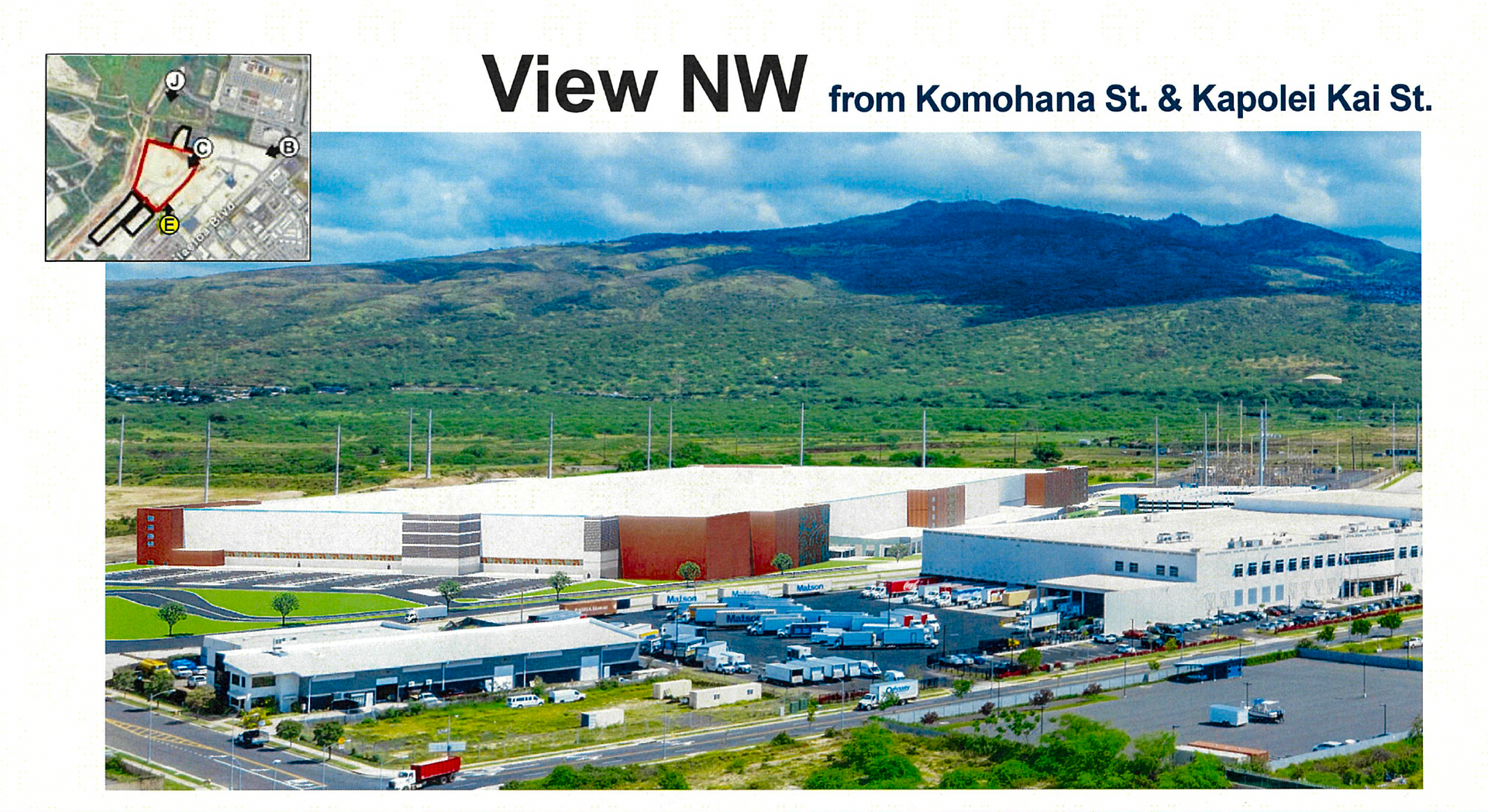
Amazon wants Honolulu to grant it 40 extra feet of height for a warehouse the size of fifty football fields, and the community is running out of time to be heard.
On September 3, the Honolulu Planning Commission voted 7 to 0 to defer its decision on Amazon's Project Savoy, a $600 million, 2.8 million-square-foot fulfillment center proposed for 91-400 Malakole Street in Kapolei. The vote came after commissioners had already moved to approve the height increase, then reversed course and entered a closed-door executive session. No public reason was given for the switch.
Ka wā koke ia e kani ai ka leo o nā kānaka.
This is the moment for Kānaka Maoli and West Oʻahu families to speak up because the people closest to this project have already made it clear, repeatedly, that Amazon has not earned the trust it is seeking.
In May, the Makakilo/Kapolei/Honokai Hale Neighborhood Board No. 34 conditionally supported the zone change from 60 to 100 feet, but only if a Permitted Interaction Group of thirteen community organizations, including Kaʻala Farms, Papa Ola Lōkahi, the Association of Hawaiian Civic Clubs, and the Waiʻanae Coast Comprehensive Health Center, be allowed to complete its review first.
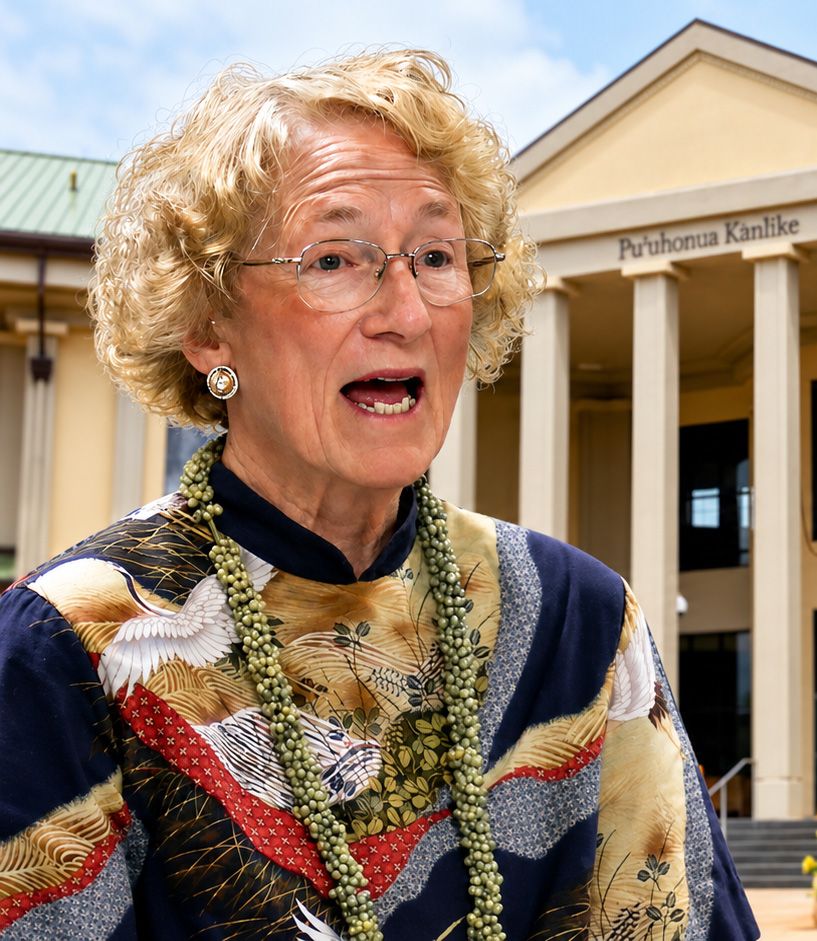
Board Chair Anthony "Makana" Paris told the Planning Commission he was "surprised" the hearing was scheduled before that review wrapped up, since he understood Amazon had agreed to wait. Board Secretary Carol England put it plainly: since Amazon introduced itself in May, "there has been complete silence." Board member Tiare Taala said of large corporations coming into West Oʻahu, "they always take more than they give." Vice Chair Mikiala Lidstone said she wants to support the project but cannot because "so many of our hopes have not been fulfilled."
These are not outside agitators. These are the people who sit at the table every month and who conditioned their support on Amazon actually showing up.
He kuleana ko kākou e mālama i ka ʻāina a me nā kūpuna e hoʻoilina mai ana i kēia ʻāina no nā hanauna e hiki mai ana.
The Association of Hawaiian Civic Clubs grounded its request for a delay in Free, Prior, and Informed Consent, the international standard that recognizes Indigenous peoples' right to consent to or withhold consent from projects on their lands and in their communities. Papa Ola Lōkahi, the Native Hawaiian Health Board, and Kaʻala Farms formally asked the commission to wait until after the Neighborhood Board's October 28 meeting, when the Permitted Interaction Group's findings are due.
The commission's own Department of Planning and Permitting flagged that the traffic study Amazon submitted leans on road improvements that have not been finished, and warned the study itself could be outdated before construction even begins.
And yet DPP still recommended approval. The commission's own staff raised the red flags, then waved the project through anyway.
Kapolei resident Kamuela Werner, a Native Hawaiian public health researcher, testified that West Oʻahu already carries some of the highest concentrations of Native Hawaiians and Hawaiian Homelands residents on the island, and that any project asking for a zoning exception on top of that burden should have to clear a very high bar.
He pointed to independent research, including reporting compiled for UNI Global Union and findings from Human Impact Partners, documenting elevated injury rates and worker strain across Amazon's fulfillment network nationally. Whatever one thinks of the company's broader labor record, Werner and the neighborhood board make the same point: promises are not proof.
ʻAʻohe hana nui ke alu ʻia.
No task is too big when done together, and this is a task Kanaka ʻŌiwi communities know well: showing up, over and over, until the process is respected. The Planning Commission's commissioners already voted unanimously to hit pause once.
The Honolulu City Council should require that no recommendation on Project Savoy move forward until the Permitted Interaction Group's October report is fully reviewed. The Planning Commission should require Amazon to answer, in writing, the questions its own PIG members say have gone unanswered for months.
And the people of West Oʻahu should be in that room on November 18.