Bridget Hammerquist Says She Supports Affordable Housing. So Why Does Her Group Keep Fighting It?

Ike Pono Hawaiʻi • 19 October 2026

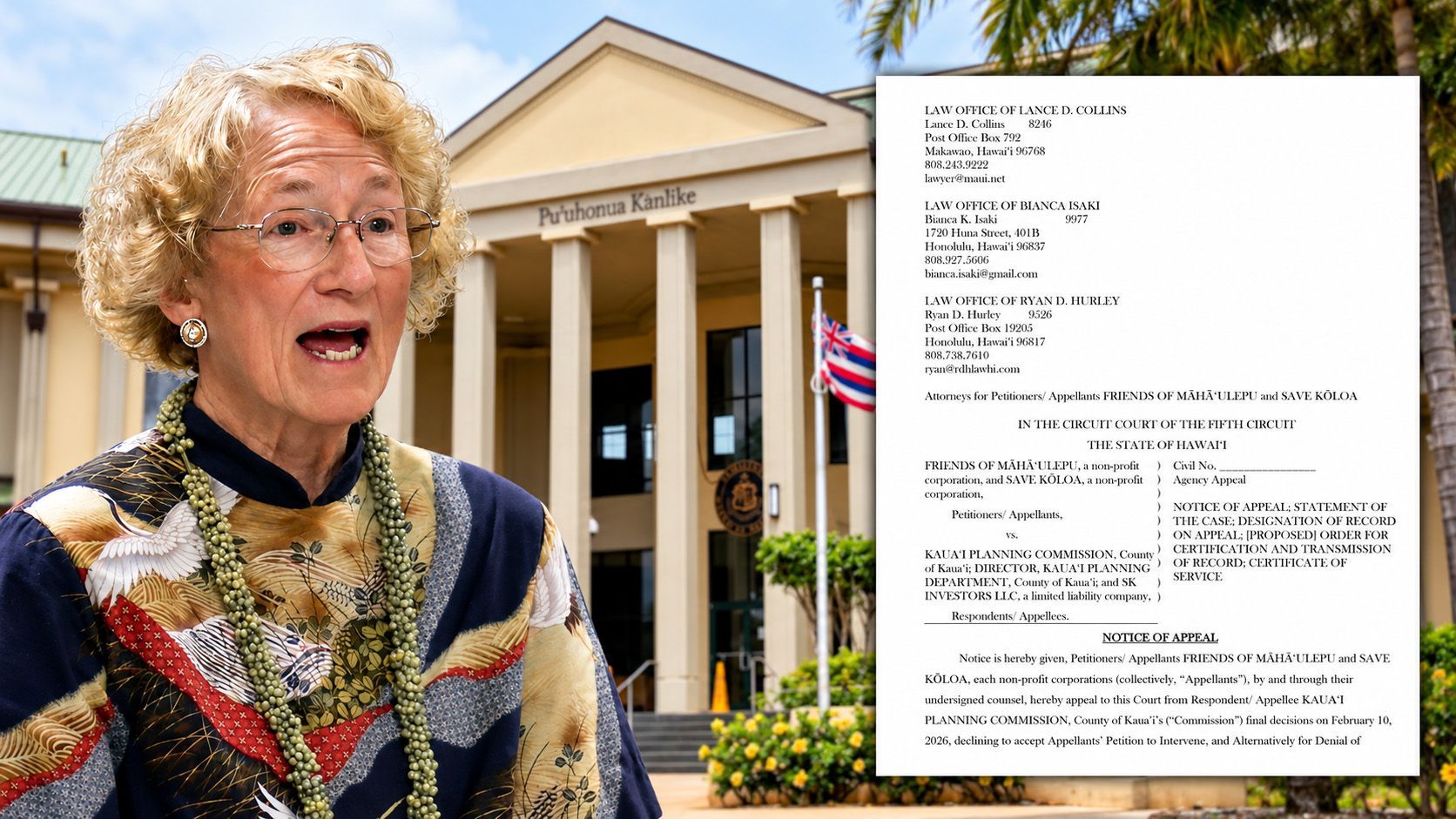
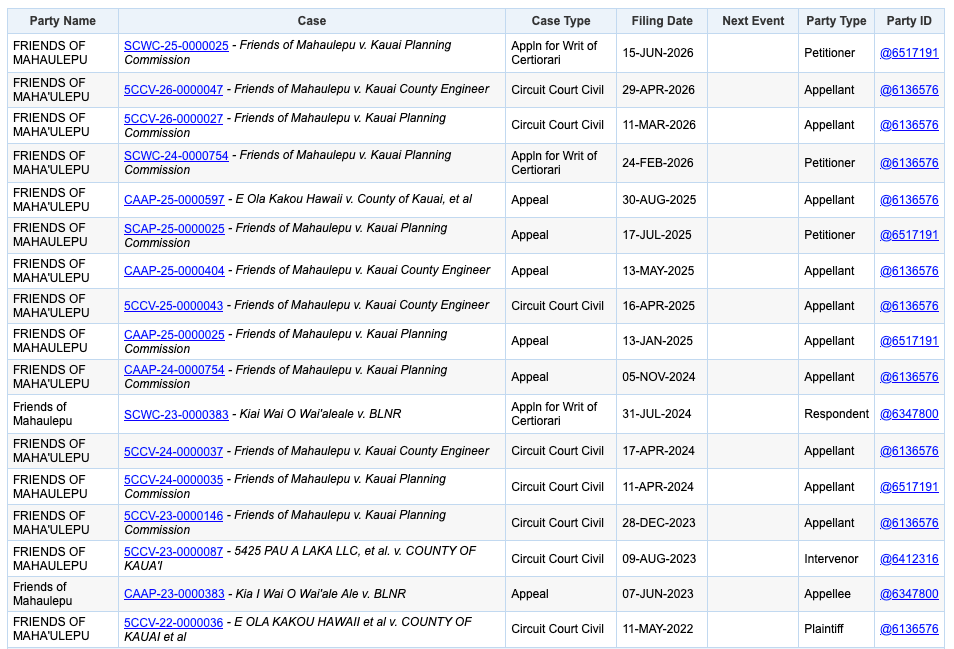
“FOM totally supports affordable housing. We applaud its development.” That was Friends of Māhāʻulepū’s message in September. Yet the organization, led by President Bridget Hammerquist, continues to challenge a proposed housing development in Kōloa and urges objections to building another in Kīlauea.


For kamaʻāina struggling to remain on Kauaʻi, the obvious question is: What does that support actually mean?


The housing crisis is not theoretical. As Honolulu Civil Beat reported on October 16, Kauaʻi needs 4,900 additional homes by 2027. The median price of a single-family home is nearly $1.5 million. Although the island built almost 5,000 units between 2010 and 2020, it still lost 334 homes available to residents, with vacation rentals and seasonal use consuming much of the new supply. This is not simply a debate over land use. It is about whether local ʻohana can afford to stay together.


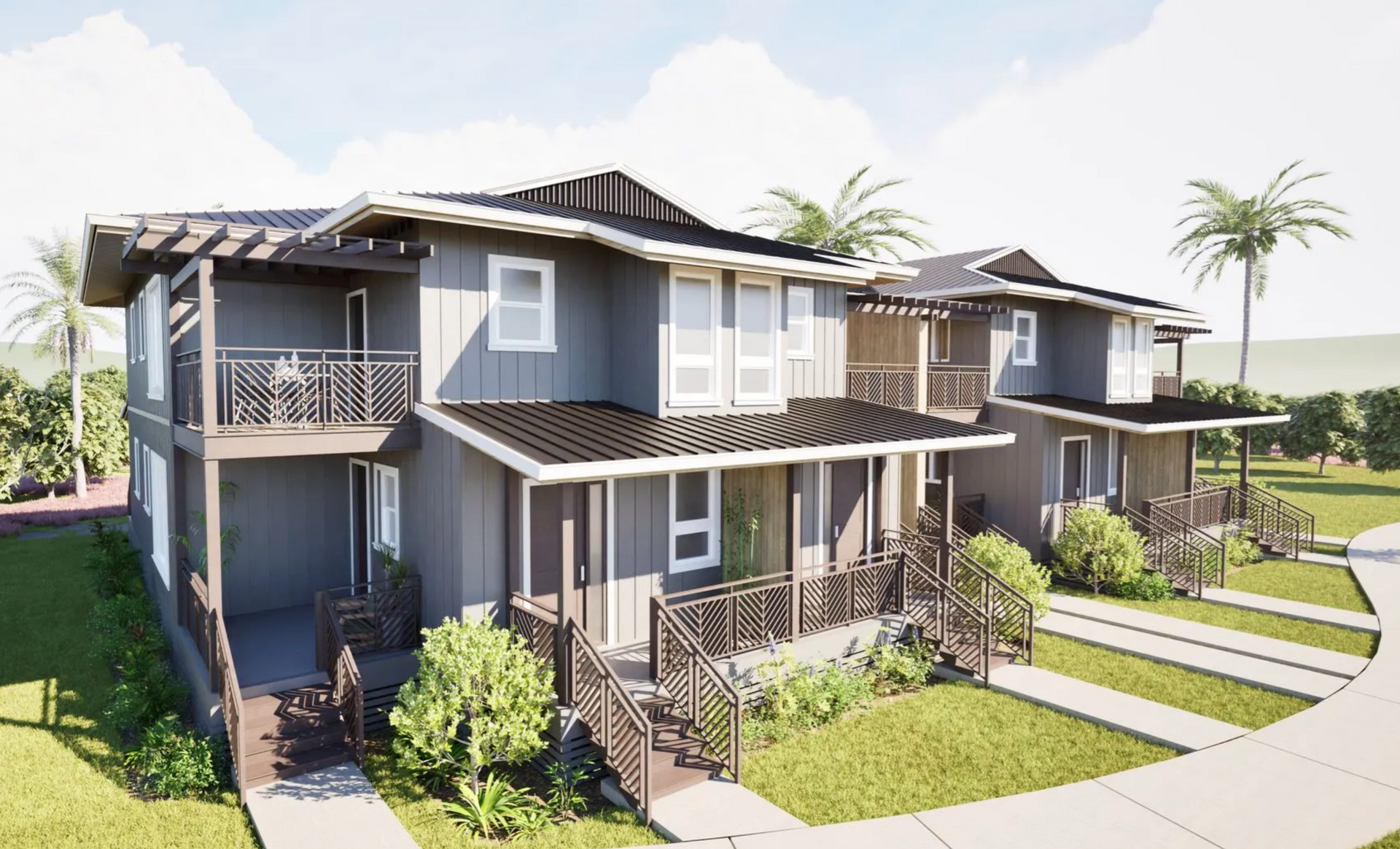
Consider South Kōloa Town. The proposal would create 148 homes, including ownership opportunities for households that earn too much for many subsidies but cannot afford typical Kauaʻi prices. The developer says the homes would be prohibited from becoming vacation rentals and at least 45 percent would be marketed to existing Kauaʻi County residents. Proposed prices reportedly begin around $520,000 for one-bedroom units and $650,000 for two-bedroom units. Those homes wouldn't solve the crisis, but they could offer another option for local buyers.

Friends of Māhāʻulepū pursued litigation over the project’s approval process. In September, Circuit Judge Stephanie Char sent the matter back to the Planning Commission to further consider the request to intervene, finding deficiencies in the commission’s written decision. That procedural ruling did not establish that the proposed homes were unlawful. The public deserves a defensible process. It also deserves an honest accounting of what prolonged legal proceedings mean for badly needed housing.


Hammerquist celebrated the result in a September 29 message headed “We Did It!” She praised the group’s attorneys and asked supporters to help replenish funds spent on the appeal. The contrast is difficult to ignore: The organization says it applauds affordable housing while celebrating a legal victory that requires additional proceedings for a housing proposal.


Now consider Kīlauea. In its September communication, Friends of Māhāʻulepū urged objections to groundbreaking or construction of 310 proposed homes until water, wastewater, roads, and solid-waste infrastructure are in place or substantially developed. Its concerns about fire flow and aging water systems deserve serious answers. Caring for the ʻāina and protecting existing communities are legitimate responsibilities, not obstacles to brush aside.

But kuleana, or responsibility, cannot stop at identifying what is wrong. What infrastructure

funding and construction milestones would satisfy the group? What specific housing project has it endorsed, and under what workable conditions? If every answer is another delay, then the practical outcome matters more than the promise of support.


A pono path forward demands both environmental safeguards and a real opportunity to build homes. Kauaʻi County must provide transparent infrastructure schedules, enforceable commitments, and sound public hearings. Housing opponents should be equally transparent about what would earn their support. Protecting the ʻāina and providing homes for the people who live on it are not opposing goals.


Kauaʻi’s teachers, nurses, first responders, and young ʻohana cannot live in promises. Bridget Hammerquist and Friends of Māhāʻulepū should answer a simple question: Which new homes are they prepared to support, and what achievable conditions would allow those homes to be built? For the island’s keiki and future generations, “we support affordable housing” must mean more than words.

Share this article

Recent Posts

by Ike Pono Hawaiʻi • 15 September 2026
Amazon seeking a height variance for its proposed 2.8 million square feet, five-story warehouse in Kapolei. Next hearing is on November 18th.
by Ike Pono Hawaiʻi • 2 September 2026
Has Kali Watson earned another term? The State Senate has the final word.
by Ike Pono Hawaiʻi • 30 July 2026
DHHL wants to exempt geothermal drilling from environmental review across the entire pae ʻāina.
by Ike Pono Hawaiʻi • 22 July 2026
Then there is no honest excuse left to keep the recordings hidden from the people they belong to.
by Ike Pono Hawaiʻi • 8 July 2026
It is an election year, and Anne Lopez is sitting on recordings that could tell Hawaiʻi voters which lawmakers took the money and still won't release them.
by Ike Pono Hawaiʻi • 16 June 2026
DHHL Chair Kali Watson owes our ʻohana answers, not confusion.
by Ike Pono Hawaiʻi • 9 June 2026
DHHL's geothermal information meetings are this Friday, Saturday, and Monday on O'ahu.
by Ike Pono Hawai'i • 6 June 2026
A mainland-funded lawsuit aims to dismantle Hawaiian Home Lands — the 1921 promise of ʻāina to kānaka maoli — and Ike Pono Hawaiʻi will not stay silent.
by Ike Pono Hawaiʻi • 1 June 2026
While local families wait years for a place to live, a public servant turned the affordable housing system into a personal piggy bank.
by Ike Pono Hawaiʻi • 29 May 2026
When we called on Attorney General Anne Lopez to stop hiding the $35,000 bribery findings, we were told to be patient.
Show More