

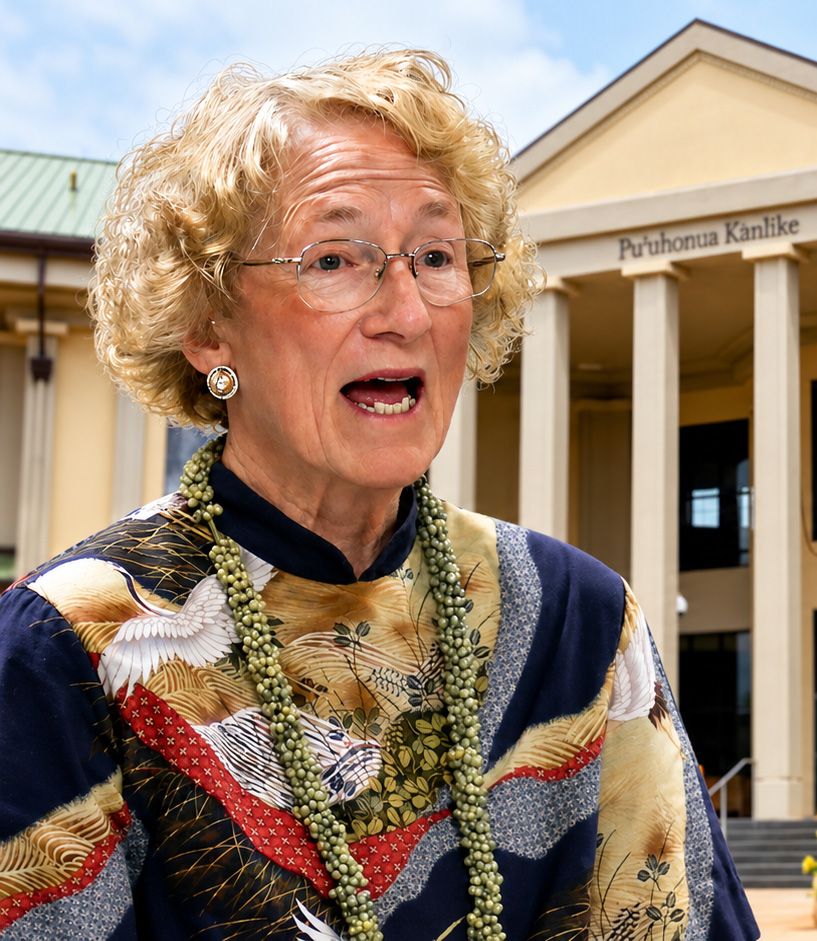
Friends of Māhāʻulepū continues to challenge proposed housing developments on Kaua'i amid a severe housing shortage.
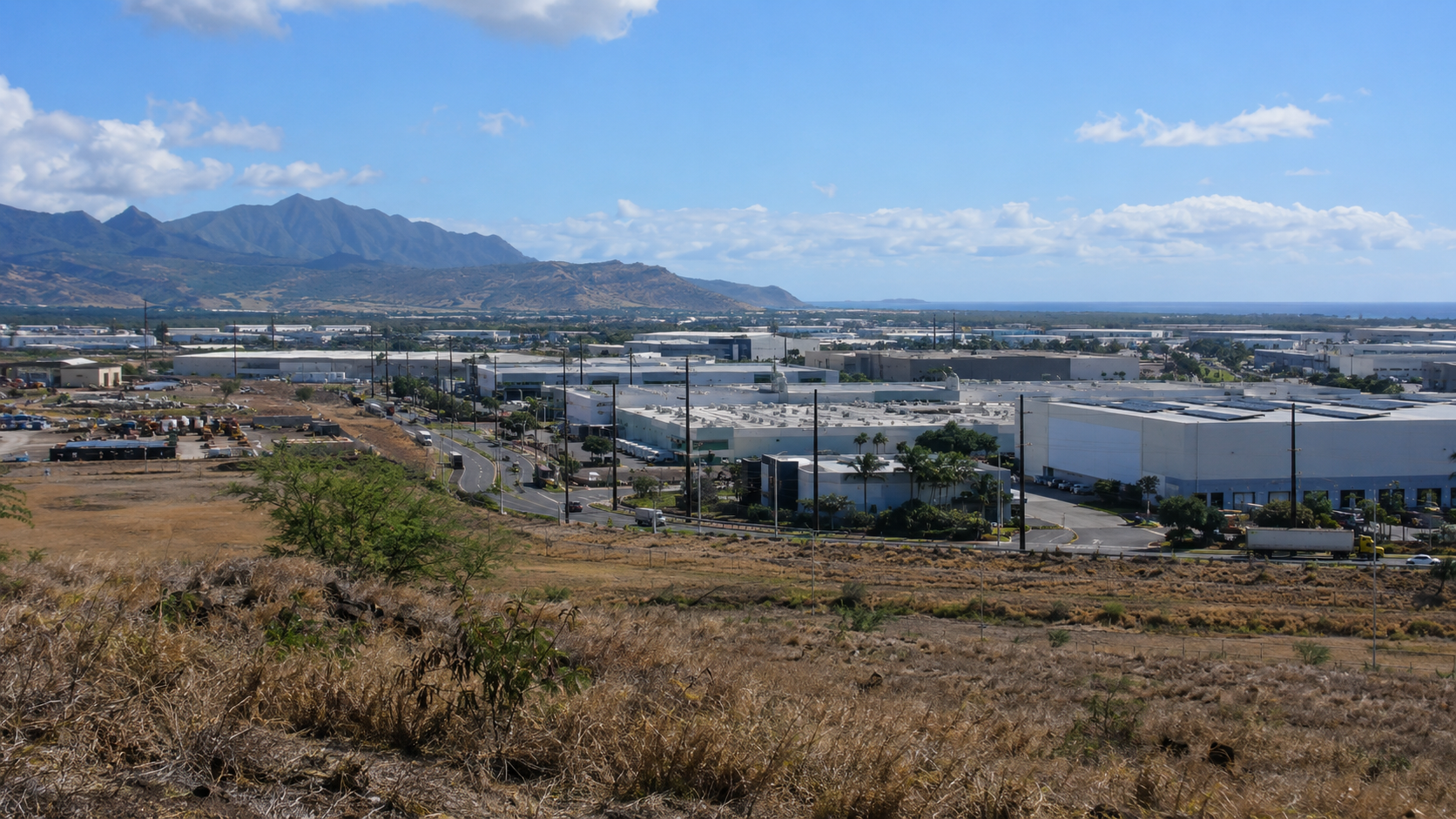
Amazon seeking a height variance for its proposed 2.8 million square feet, five-story warehouse in Kapolei. Next hearing is on November 18th.

Has Kali Watson earned another term? The State Senate has the final word.

DHHL wants to exempt geothermal drilling from environmental review across the entire pae ʻāina.

Then there is no honest excuse left to keep the recordings hidden from the people they belong to.

It is an election year, and Anne Lopez is sitting on recordings that could tell Hawaiʻi voters which lawmakers took the money and still won't release them.

DHHL Chair Kali Watson owes our ʻohana answers, not confusion.

DHHL's geothermal information meetings are this Friday, Saturday, and Monday on O'ahu.

A mainland-funded lawsuit aims to dismantle Hawaiian Home Lands — the 1921 promise of ʻāina to kānaka maoli — and Ike Pono Hawaiʻi will not stay silent.

While local families wait years for a place to live, a public servant turned the affordable housing system into a personal piggy bank.
