The Haves Versus the Have Nots: Wealthy Kōloa NIMBY Group Considers Litigation Against Approved Gap Housing Project
In a move that has become all too commonplace in Hawaiʻi, wealthy residents are looking to use their resources to stop the Planning Commission-approved gap housing project in Kōloa.
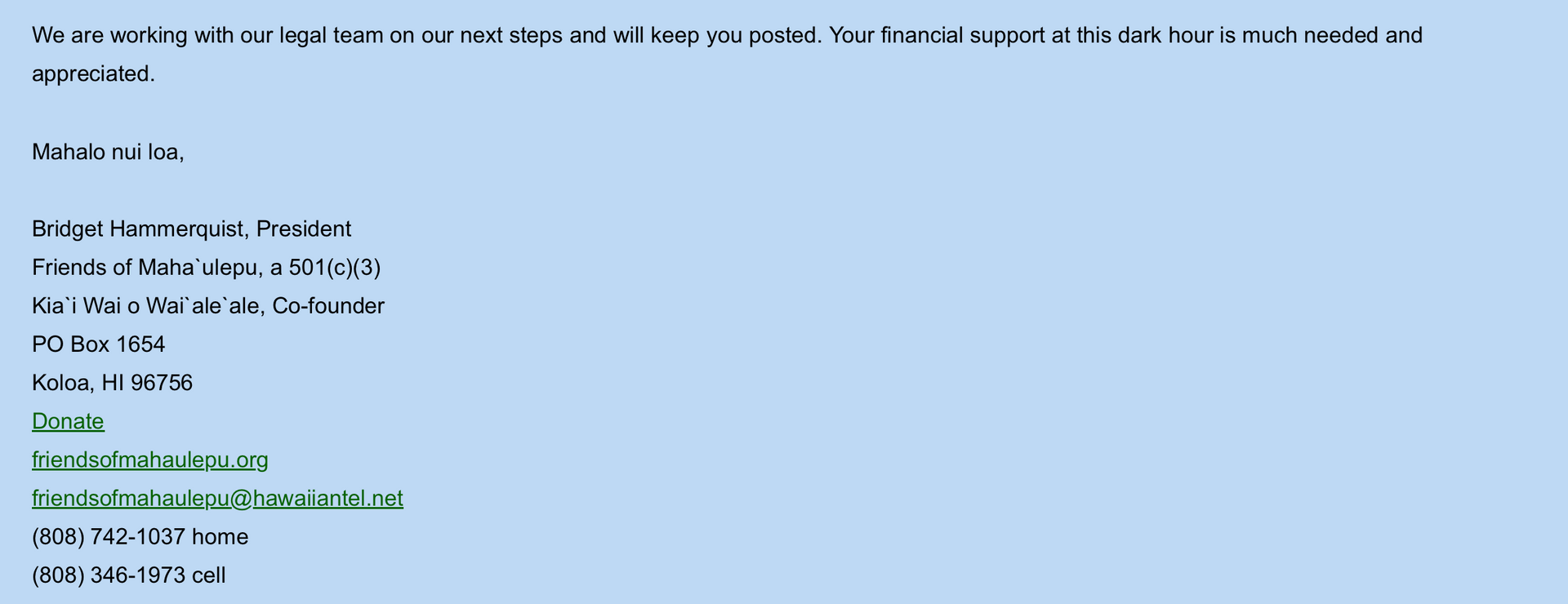
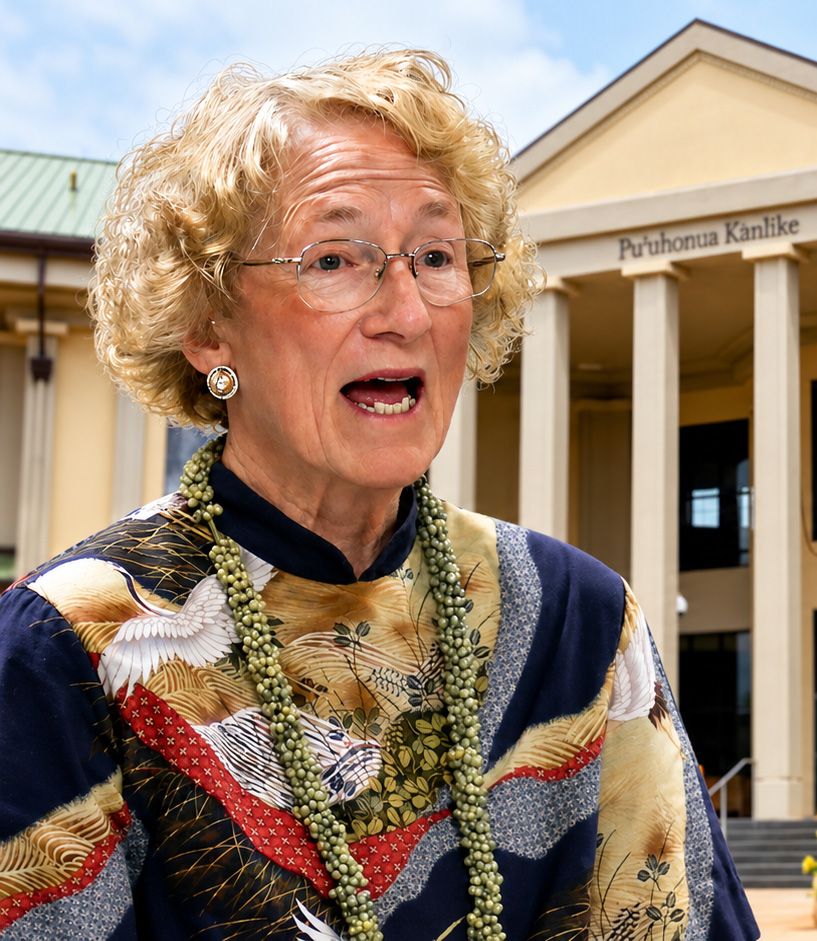
On March 1st, the President of the Friends of Maha’ulepu, Bridget Hammerquist, posted on the group’s website a summary from her perspective of the meeting, calling the Commissioner’s approval of the project “not legal.”
She then makes a plea for donations in this “dark hour” (see below).

We wonder if Ms. Hammerquist made this post while sitting in the comforts of her over $3 million valued home in Kōloa? Read more about this here.
The true controversy is not the housing project, but the reason why Hammerquist’s group will use their wealth to try to kill it.
One would think that the developer was proposing a residential tower on Maha’ulepu Beach. The truth is that it’s far from it.
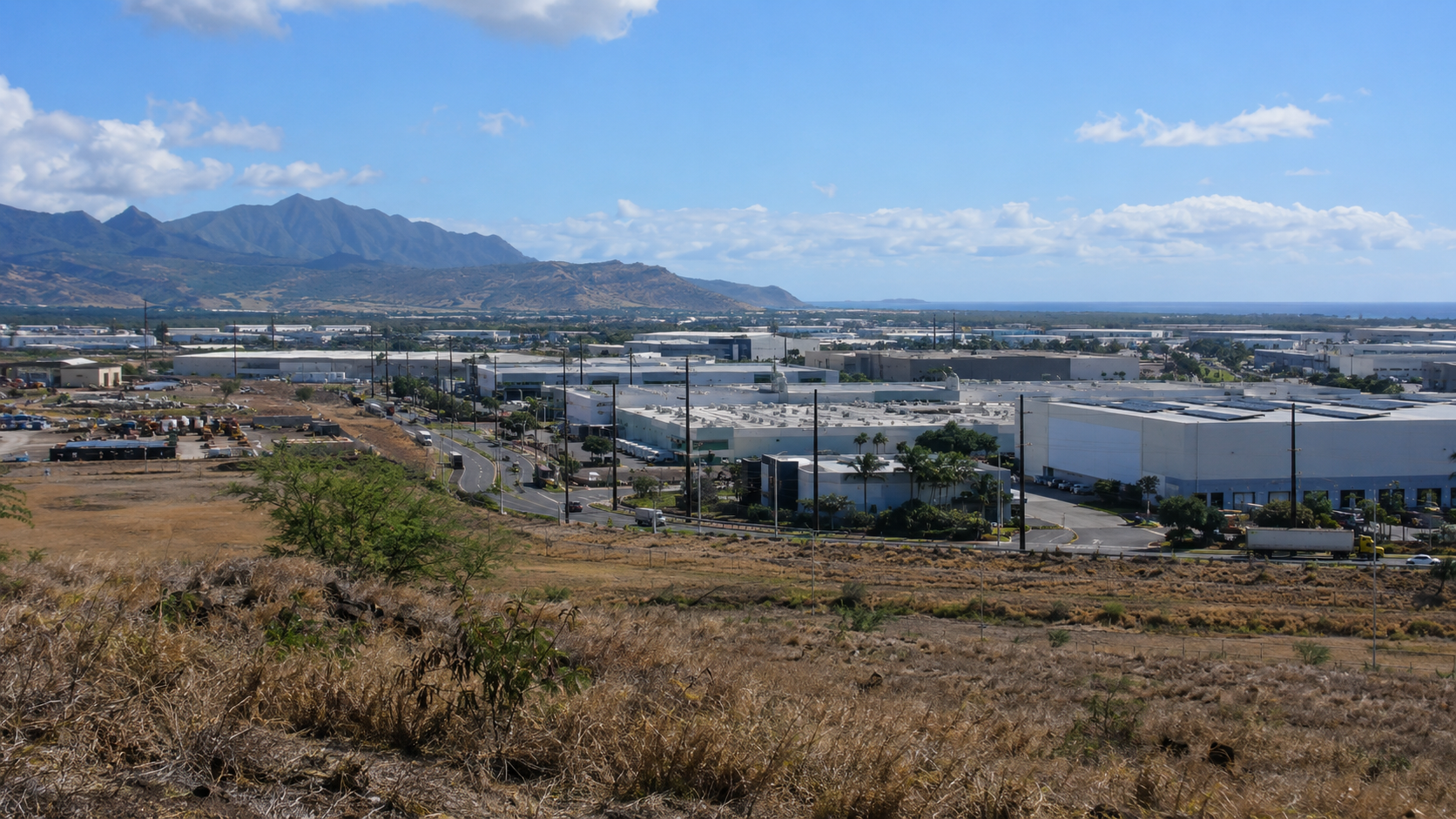
The project calls for 148 multifamily units in an existing residential area near Kōloa Village, a retail center across the street. As reported in the February 23rd Civil Beat article, the units are primarily targeted at locals who make too much money to qualify for affordable housing subsidies but cannot afford market-rate homes.
The developer further agreed to the Planning Commissioner’s conditions of approval, which include that the units never be converted to vacation rentals and that at least 45% of them go to existing county residents.
A February 25th Civil Beat article states that the developer’s nearby project, Kauhale at the Village, has sold 70% of the 59 units to locals, mostly first-time homebuyers.
Is the project perfect? No. Does the County need to do more to address infrastructure issues? Yes, but there are transportation projects either pending or already underway to help.
In the end, this project creates a much-needed opportunity for locals to purchase a home for themselves or their children.
The Friends of Maha’ulepu and its backers need to consider who their potential lawsuit will hurt the most: the developer or locals.
Ms. Hammerquist and her wealthy friends need to be reminded that they have their multi-million-dollar homes on Kaua’i lands, while many locals lack opportunities for home ownership.
Unfortunately, we all know too well that haoles often believe their wealth gives them insight into knowing what’s best for Kānaka Maoli.
The struggle for the haves versus the have-nots continues…