If Spain Wants the TMT, Why Are Hawaii’s Politicians Still Forcing It on Mauna Kea?

24 July 2025

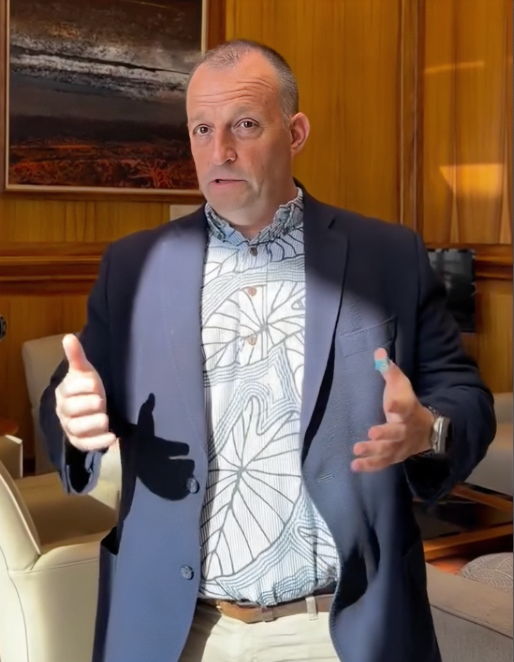
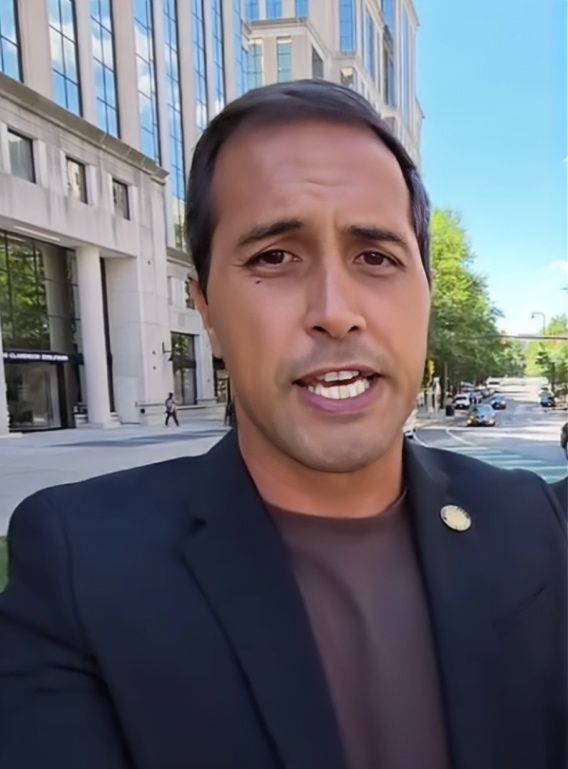
Governor Green

The recently signed “letter of unity” supporting the controversial Thirty Meter Telescope on sacred Mauna Kea by Hawaiʻi’s governor and congressional delegation is confusing and, to many, deeply disappointing.


Governor Josh Green has committed his administration to “promptly establish a clear and transparent procedure for obtaining the necessary permits” for the decommissioned site. 


For kānaka maoli and local residents who have long fought to protect Mauna Kea, this feels like yet another decision made behind closed doors, excluding the people’s voices.


According to Civil Beat, the TMT project is now estimated to cost nearly $3 billion, with a $1 billion funding gap.


Furthermore, the Trump administration’s proposed budget cuts to the National Science Foundation could completely eliminate federal funding for the project.


With so much uncertainty and so much community opposition, it’s fair to ask why Hawaiʻi’s elected officials are still pushing it forward. What do they stand to gain by forcing it here?


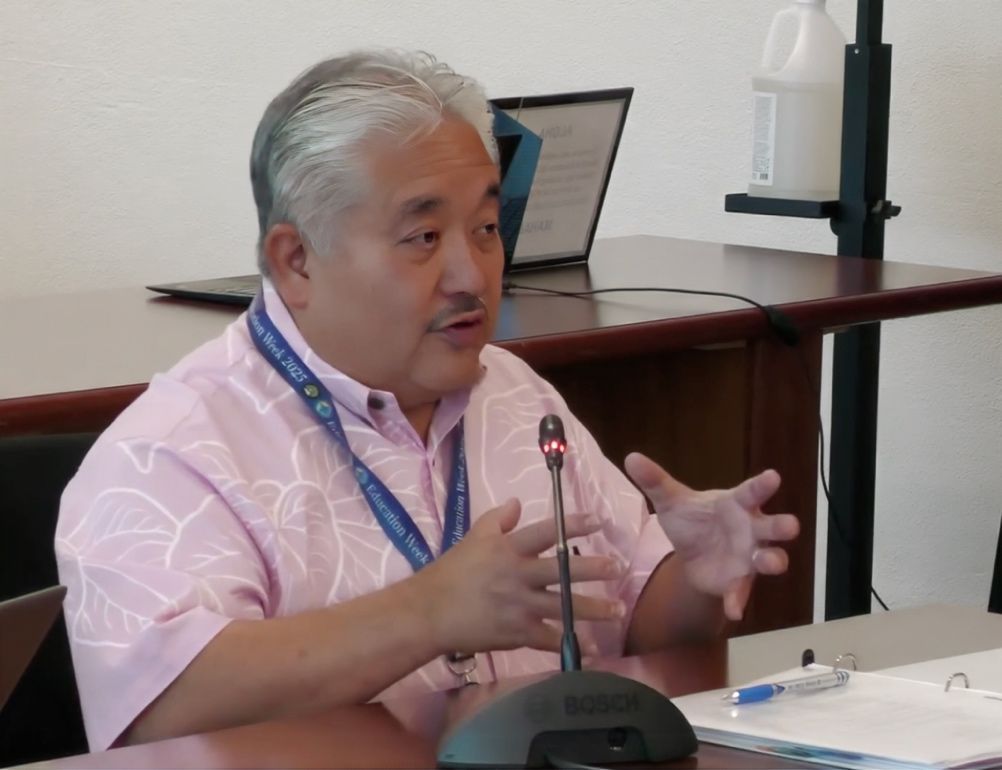
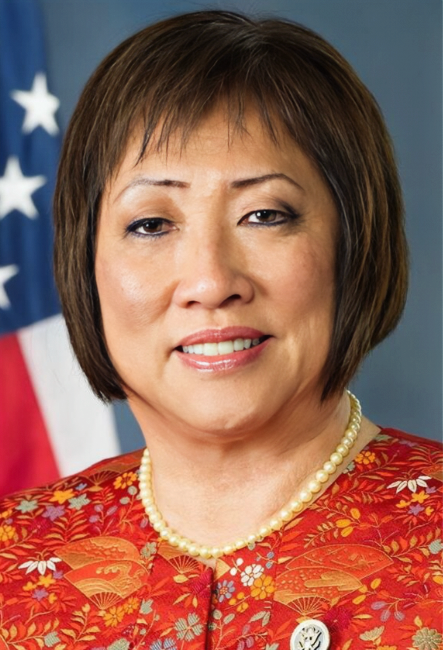
On the surface, it seems that Governor Green, Senator Brian Schatz, Senator Mazie Hirono, Congressman Ed Case, and Congresswoman Jill Tokuda want the prestige of claiming Hawaiʻi as the home of another “world-class” telescope.


It may play well on Capitol Hill, but they still haven’t explained what benefit it brings to local people.


The TMT won’t make life more affordable. 


It won’t lower housing costs. 


It won’t create enough good-paying jobs for local families. 


What it will do is take more ʻāina, more sacred land on Mauna Kea, all in the name of science.


The political push for Mauna Kea might make sense if there were no viable alternative site, but there is – Spain. 

Artists rendering of the TMT Scope

The Spanish government has already committed $400 million to host the telescope in the Canary Islands, which the TMT International Observatory has designated as its official backup site.


Spain’s leaders have secured political unity, land-use approvals, and financial commitments, everything Hawaiʻi lacks. 


So why are our officials ignoring this? 


The only explanation that makes sense is politics. 


Our congressional delegation seems more interested in opposing the Trump administration’s budget decisions than in listening to the voices of their own constituents.


For Native Hawaiians, this issue runs deeper than politics. 


It’s about kuleana – the responsibility to defend, protect, and care for our sacred ʻāina. 


The struggle over Mauna Kea is not just about a telescope; it’s about generations of Native people fighting to preserve what remains of their ancestral lands from continued outside control.


Every election season, politicians claim to “stand with the people” and “honor the culture.” 


Yet when the moment comes to show that commitment, when Hawaiians rise in defense of Mauna Kea, they stay silent. 


Neither Governor Green nor any member of Hawaiʻi’s congressional delegation responded to Civil Beat’s requests for comment.


Our kūpuna taught us that aloha ʻāina is more than just love for the land; it’s a duty.


Mauna Kea is not theirs to trade or politicize. 


It belongs to the people, and to the generations still to come.

Share this article

Recent Posts

28 November 2025
When the cost of running for office in Hawai'i is so high, it forces candidates to depend on special interests, such as influential development, tourism, or labor groups, that are constantly lobbying the legislature.
7 November 2025
The Board of Education approving a fat pay raise for Superintendent Keith Hayashi, bumping his salary from $249,600 to nearly $295,000.
5 November 2025
House Speaker Nakamura and the House brushed off a public petition signed by hundreds of residents demanding an open investigation.
4 November 2025
When our elected officials think the rules don’t apply to them, we all lose.
5 March 2025
The Hawaiʻi Commission on Salaries quietly approved large pay increases for lawmakers, judges, and top executives.